The various functions of common vitamins, their deficiency symptoms,
natural sources, daily requirements and their therapeutic uses are
discussed in brief as follows:
Vitamin A
Known as anti-opathalmic, vitamin A is essential for growth and vitality. It builds up resistance to respiratory and other infections and works mainly on the eyes, lungs, stomach and intestines. It prevents eye diseases and plays a vital role in nourishing the skin and hair. It helps to prevent premature ageing, increases life expectancy and extends youthfulness. The main sources of this vitamin are fish liver oil, liver, whole milk, curds, pure ghee, butter, cheese, cream and egg yolk, green leafy and certain yellow root vegetables such as spinach, lettuce, turnip, carrot, cabbage and tomato and ripe fruits such as prunes, mangoes, papaya, apricots, peaches, almonds and other dry fruits. A prolonged deficiency of vitamin A may result in inflammation of the eyes, poor vision frequent colds, night blindness and increased susceptibility to infections, lack of appetite and vigour, defective teeth and gums and skin disorders.
Vitamin A
Known as anti-opathalmic, vitamin A is essential for growth and vitality. It builds up resistance to respiratory and other infections and works mainly on the eyes, lungs, stomach and intestines. It prevents eye diseases and plays a vital role in nourishing the skin and hair. It helps to prevent premature ageing, increases life expectancy and extends youthfulness. The main sources of this vitamin are fish liver oil, liver, whole milk, curds, pure ghee, butter, cheese, cream and egg yolk, green leafy and certain yellow root vegetables such as spinach, lettuce, turnip, carrot, cabbage and tomato and ripe fruits such as prunes, mangoes, papaya, apricots, peaches, almonds and other dry fruits. A prolonged deficiency of vitamin A may result in inflammation of the eyes, poor vision frequent colds, night blindness and increased susceptibility to infections, lack of appetite and vigour, defective teeth and gums and skin disorders.

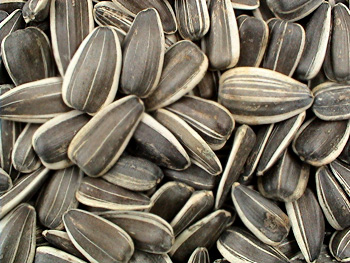 There are about two grams of zinc in the body where it is extremely
concentrated in the eyes, nails, hair, skin and testes. Zinc is a
precious mineral. It is needed for healthy skin and hair, proper healing
of wounds, successful pregnancies and male virility. It plays a vital
role in guarding against diseases and infection. The main dietary
sources of zinc are beans, meat, whole grains, milk, liver, nuts, and
seeds. Deficiency can result in weight loss, skin diseases, and loss of
hair, poor appetite, Diarrhoea and frequent infection. Those suffering
from rheumatoid arthritis may have a zinc deficit.
There are about two grams of zinc in the body where it is extremely
concentrated in the eyes, nails, hair, skin and testes. Zinc is a
precious mineral. It is needed for healthy skin and hair, proper healing
of wounds, successful pregnancies and male virility. It plays a vital
role in guarding against diseases and infection. The main dietary
sources of zinc are beans, meat, whole grains, milk, liver, nuts, and
seeds. Deficiency can result in weight loss, skin diseases, and loss of
hair, poor appetite, Diarrhoea and frequent infection. Those suffering
from rheumatoid arthritis may have a zinc deficit.
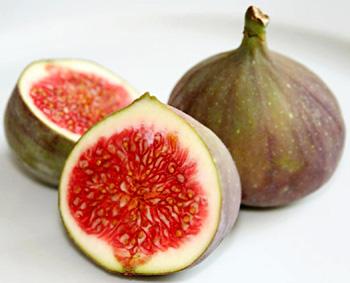 The chief store house of iodine in the body is the thyroid gland. Iodine
regulates the rate of energy production and body weight and promotes
proper growth. It improves mental alacrity and promotes healthy nails,
skin, hair and teeth. The best dietary sources of iodine are kelp and
other seaweeds. Other good sources are pineapples, pears, artichokes,
citrus fruits, turnip greens, garlic, watercress, egg yolk and seafood
and fish liver oils. Small doses of iodine are of great value in the
prevention of goitre in areas where it is endemic and are of value in
treatments, at least in the early stages.
The chief store house of iodine in the body is the thyroid gland. Iodine
regulates the rate of energy production and body weight and promotes
proper growth. It improves mental alacrity and promotes healthy nails,
skin, hair and teeth. The best dietary sources of iodine are kelp and
other seaweeds. Other good sources are pineapples, pears, artichokes,
citrus fruits, turnip greens, garlic, watercress, egg yolk and seafood
and fish liver oils. Small doses of iodine are of great value in the
prevention of goitre in areas where it is endemic and are of value in
treatments, at least in the early stages.
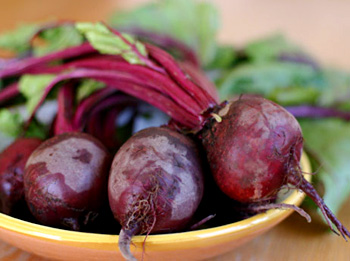 Sodium Chloride, the chemical name for common salt, contains 39 per cent
of sodium, an element which never occurs in free form in nature. It is
found in an associated form with many minerals particularly in plentiful
amounts with chlorine. It acts with other electrolytes, mainly
potassium, in the intracellular fluid, to control the osmotic pressure
and maintain an appropriate water balance within the body. Sodium can
help prevent catarrh. It promotes a clear brain, resulting in a better
disposition and less mental exhaustion. Vegetable foods rich in sodium
are celery, cucumbers, beet-tops, cabbage, lettuce, watermelon, lemons,
oranges, grapefruit, corn, lady`s fingers, apple, berries, pears,
squash, pumpkin, peaches, lentils, almonds and walnuts. Animal food
sources include lean beef, kidney, shell fish, bacon and cheese.
Deficiencies of sodium are, however, rare and may be caused by excessive
sweating, prolonged use of diuretics, or chronic Diarrhoea. Deficiency may lead to muscular weakness, heat exhaustion, nausea, mental apathy and respiratory failure.
Sodium Chloride, the chemical name for common salt, contains 39 per cent
of sodium, an element which never occurs in free form in nature. It is
found in an associated form with many minerals particularly in plentiful
amounts with chlorine. It acts with other electrolytes, mainly
potassium, in the intracellular fluid, to control the osmotic pressure
and maintain an appropriate water balance within the body. Sodium can
help prevent catarrh. It promotes a clear brain, resulting in a better
disposition and less mental exhaustion. Vegetable foods rich in sodium
are celery, cucumbers, beet-tops, cabbage, lettuce, watermelon, lemons,
oranges, grapefruit, corn, lady`s fingers, apple, berries, pears,
squash, pumpkin, peaches, lentils, almonds and walnuts. Animal food
sources include lean beef, kidney, shell fish, bacon and cheese.
Deficiencies of sodium are, however, rare and may be caused by excessive
sweating, prolonged use of diuretics, or chronic Diarrhoea. Deficiency may lead to muscular weakness, heat exhaustion, nausea, mental apathy and respiratory failure.
